January 2026 Family and Community Newsletter
Featured Story
We Want to Hear From You!
Our Annual Family Feedback Survey is now open! This brief survey gives you the opportunity to share your thoughts on your child’s school experience, including academics, safety, communication, and overall satisfaction...
Pasco County Schools is committed to creating a positive and supportive learning environment for every student. Your voice plays a vital role in that mission.
Our Annual Family Feedback Survey is now open! This brief survey gives you the opportunity to share your thoughts on your child’s school experience, including academics, safety, communication, and overall satisfaction.
Your feedback helps us:
-
Celebrate what’s working well
-
Identify areas for growth
-
Shape future planning at both the school and district levels
We will share a summary of the survey results and related action steps so you can see how your input makes a difference.
Take the survey by clicking this link or QR Code: https://tejoin.com/participate/517532408

⏱️ Time to complete: 10–15 minutes
Survey closes: January 27
If you have children attending more than one school, please complete a separate survey for each. All responses are confidential and used only to inform future planning.
Thank you for partnering with us to support student success!
Attend and Achieve
Attend and Achieve New Year, New Groove - Being Present Helps Us Move!
January sets the tone for the rest of the school year - students who attend regularly this month are more likely to stay on track and reach their goals by June. For additional tips about attendance, click here!
Academics

Spring 2026 Dual Enrollment Textbook Pick Up Directions
- Fall 2025 textbooks must be returned before receiving Spring textbooks.
- Please review THIS SPREADSHEET for directions on how you will obtain your materials for Spring 2026.
- Students who are registered by December 12th in Banner and the course has a digital textbook that can be sent through email, will have it sent to their PHSC email address.
- Students who are registered by December 12th in Banner will have their physical materials delivered to their designated pick-up site, LISTED HERE, on the dates and times listed below.
- If students register for a course after December 12th and a textbook is required, students must complete THIS FORM. Review THIS SPREADSHEET to verify if a textbook is required.
If students have questions regarding textbooks, please have them email dual_enrollment@k12-lets-talk.com
Family Information and Support
Beanstack Challenge for Celebrate Literacy Week

The Just Read, Florida! Office and the Florida Department of Education (FDOE), in partnership with school districts are highlighting Celebrate Literacy Week, Florida! 2026. The goal of this year’s Celebrate Literacy Week, Florida! is to promote resiliency through literacy and excellent reading habits for our students. This year’s theme is Read, White, and Blue: Celebrating 250 Chapters of America!
Events and festivities to celebrate literacy are scheduled for the week of January 26-30, 2026, so be on the lookout from your school sites for more information.
We encourage schools and students to participate in the Beanstack Challenge aligned to Celebrating 250 Chapters of America. This challenge will launch within the students’ Beanstack app on Monday, January 26 and end Friday, January 30.
To earn a daily badge and complete the 5-day challenge, students will read at least 30 minutes and complete an activity each day. Top schools who engage in the throughout the week will be recognized with some special prizes.
Pasco Pathways School Choice Window
The K-12 Pasco Pathways School Choice Window for the 2026-2027 school year will be open from January 7 through January 20, 2026. The notification window is from March 2 through March 11, 2026. The programs/schools that will be listed on the January school choice application are linked here and on the School Choice webpage . For additional support please review our school choice FAQs linked here.
World Class Opportunities
Hear It Straight from Our Team Today
Check out our Employee Testimonial video and discover why Pasco County School District is not just where we work — it’s where we belong!
Meet Michelle Nelson, an Autism Spectrum Disorder teacher at Woodland Elementary School, as she shares what it’s like to support students, build meaningful connections, and make a lasting impact every day in Pasco County Schools.
youtube.com/watch?v=J6Vi8WT0YqQ&feature=youtu.be
Click here to start your journey today!
Every day, our amazing bus drivers and transportation team roll in with patience, kindness, and a whole lot of heart. They keep our students safe, our routes running smoothly, and our community connected one mile (and one smile!) at a time.
Now it’s your turn to spread love! Help us shine a spotlight on these everyday heroes by sharing a message of appreciation. Let’s lift them up and celebrate the people who keep our district moving forward.
Share your message here: https://ryu.pasco.k12.fl.us/hreq-mform/view.php?id=226932
And that’s not all—we’ve got some exciting events coming up that you won’t want to miss!
Join us on Friday, January 23, 2026, from 9:00 a.m. to 3:00 p.m. at the District Office for an opportunity to connect directly with our recruitment team. Learn more about open positions across our schools and discover how you can become part of our community.
In addition, we will be hosting a Transportation Job Fair on Wednesday, January 14th, 2026, from 4:00 p.m. to 6:00 p.m. at the District Office. We are actively recruiting Bus Drivers, Vehicle Technicians, and additional transportation team members.
Register Here: https://ryu.pasco.k12.fl.us/HREQ-mform/view.php?id=229674
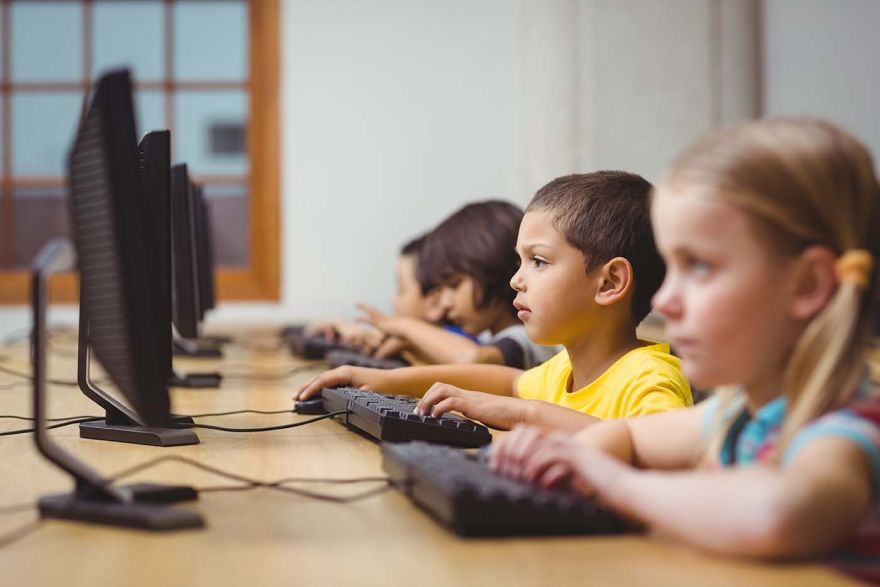
Building Digital Literacy in Elementary
Pasco County Schools is committed to building Digital Literacy in all students. Pasco County provides elementary age students the opportunity to interact with digital tools, content, and assessments. Through this initiative, students can earn micro credentials, recognizing their proficiency in various digital literacy skills. This program not only enhances their learning experience but also prepares them for a digitally driven future.
What is Digital Literacy? Digital literacy involves the ability to effectively and critically navigate, evaluate, and create information using a range of digital technologies. It encompasses skills such as understanding how to use digital tools, recognizing credible sources, and engaging safely and responsibly online.
Why is Digital Literacy Important? In today's digital age, digital literacy is essential for everyone. It empowers students to become informed citizens, enhances their academic performance, and prepares them for future careers. For parents and community members, digital literacy helps in understanding the digital world that children are growing up in, ensuring they can support and guide them effectively.
How to Enhance Your Own Digital Literacy:
- Stay Curious: Explore new digital tools and platforms.
- Learn Continuously: Take advantage of online courses and tutorials.
- Practice Critical Thinking: Evaluate the credibility of online information.
- Engage Safely: Understand privacy settings and safe online practices.
Examples of Digital Literacy Concepts:
- Online Research: Finding and evaluating credible sources.
- Digital Communication: Using email, social media, and other platforms effectively.
- Cybersecurity: Understanding how to protect personal information online.
- Digital Creation: Creating content such as blogs, videos, and presentations.
Let's work together to build a community of digitally literate individuals, ready to thrive in the modern world! For more information about Digital Literacy and Digital Tools, contact the Career and Technical Education Department.
Important Safety Tips
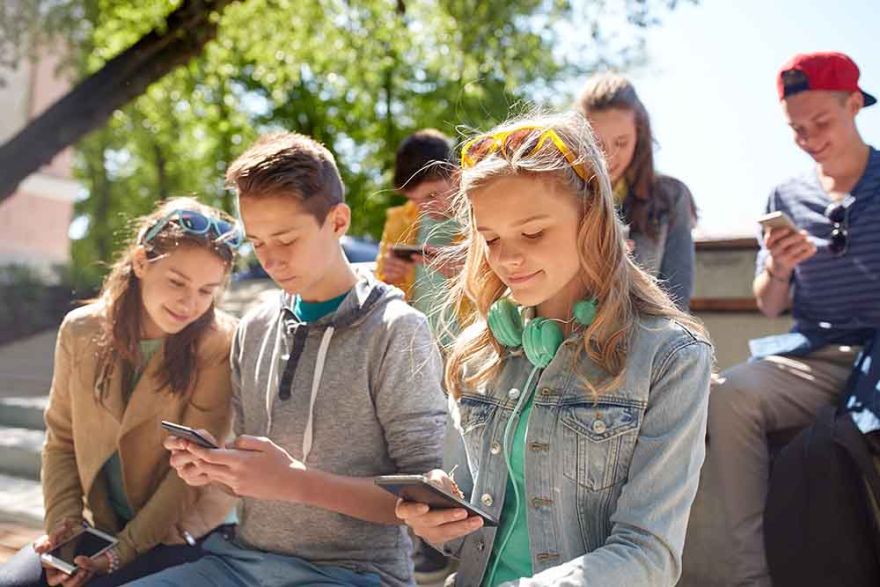
Social Media and Your Child: What Parents Should Know
Social media has become a major part of many children’s lives—even for students in elementary and middle school. As a parent, you may notice your child using platforms like YouTube, TikTok, Instagram, or group chats to socialize, learn, and play. While these tools can offer real benefits, they also come with important risks. Understanding both sides helps you guide your child safely and confidently.
The Benefits of Social Media for Kids
1. Learning Opportunities
Social media can expose students to educational content they might not encounter in the classroom. From science explainers to art tutorials, many platforms provide engaging ways for kids to explore new interests.
2. Creativity and Self‑Expression
Apps that allow students to create videos, art, music, or stories help them build confidence and express themselves in new ways. They learn digital skills that will be useful as technology increasingly shapes the world, they grow up in.
3. Staying Connected
For many children, especially those who are shy or new to school, social media can offer a safe space to communicate with friends. Group chats can help kids coordinate projects and maintain friendships outside of school.
The Challenges and Risks of Social Media
1. Exposure to False or Misleading Information
Children may struggle to distinguish credible information from rumors, memes, or manipulated content. False information can spread quickly, and kids often share things without realizing the impact.
2. Social Pressure and Emotional Stress
Likes, followers, and comments can create unhealthy expectations. Children may compare themselves to others or feel pressured to act or look a certain way online.
3. Privacy Risks
Children might unintentionally share personal information, photos, or location data, making them vulnerable to inappropriate contact or identity misuse.
4. Difficulty Managing Screen Time
Social media platforms are designed to keep users scrolling. Without guidance, kids may spend more time online than intended, impacting sleep, homework, or outdoor activity.
How Parents Can Protect Their Children from False Information
Keeping kids safe online doesn’t mean shutting them out from technology. It means helping them build strong digital judgment.
1. Talk About What “Reliable Information” Looks Like
Explain how to spot red flags:
- No clear author or source
- Sensational headlines
- Posts that play on fear, anger, or urgency (rage baiting!)
- Content shared without evidence
Encourage them to ask: “Where did this come from?” “Could it be edited?” “Who benefits from me believing this?”
2. Co‑View or Co‑Scroll When Possible
Sit with your child while they explore new apps or content. This turns social media into a shared activity rather than a private one.
3. Encourage Them to Check with You Before Sharing
Make it a family rule: Check before you share.
This builds a habit of pausing and thinking, rather than forwarding something impulsively.
4. Teach Them How Algorithms Work
Explain—in simple terms—that platforms show users what they want them to keep watching, not necessarily what's true or healthy.
For example:
"If you watch one funny video about a rumor, the app might show you ten more—so it looks like it must be true, even if it's not."
5. Use Parental Controls Thoughtfully
Parental tools can help limit what children see, but they work best when paired with open conversations, not secrecy. Many platforms offer:
- Restricted mode
- Comment filters
- Time limits
- Content reporting tools
6. Model Healthy Online Behavior
Kids pay attention to how adults handle information. When you’re uncertain about something you see online, think out loud:
"I'm not sure if this is true let me double‑check it."
This makes fact‑checking feel normal, not like a punishment.
Final Thoughts
Social media isn’t going away, and children benefit when adults guide them rather than shield them entirely. By understanding the pros and the risks, and by having early, open conversations, parents can help kids become thoughtful, safe, and informed digital citizens
Pasco County Schools: We exist to provide a World Class Education.
Important Links